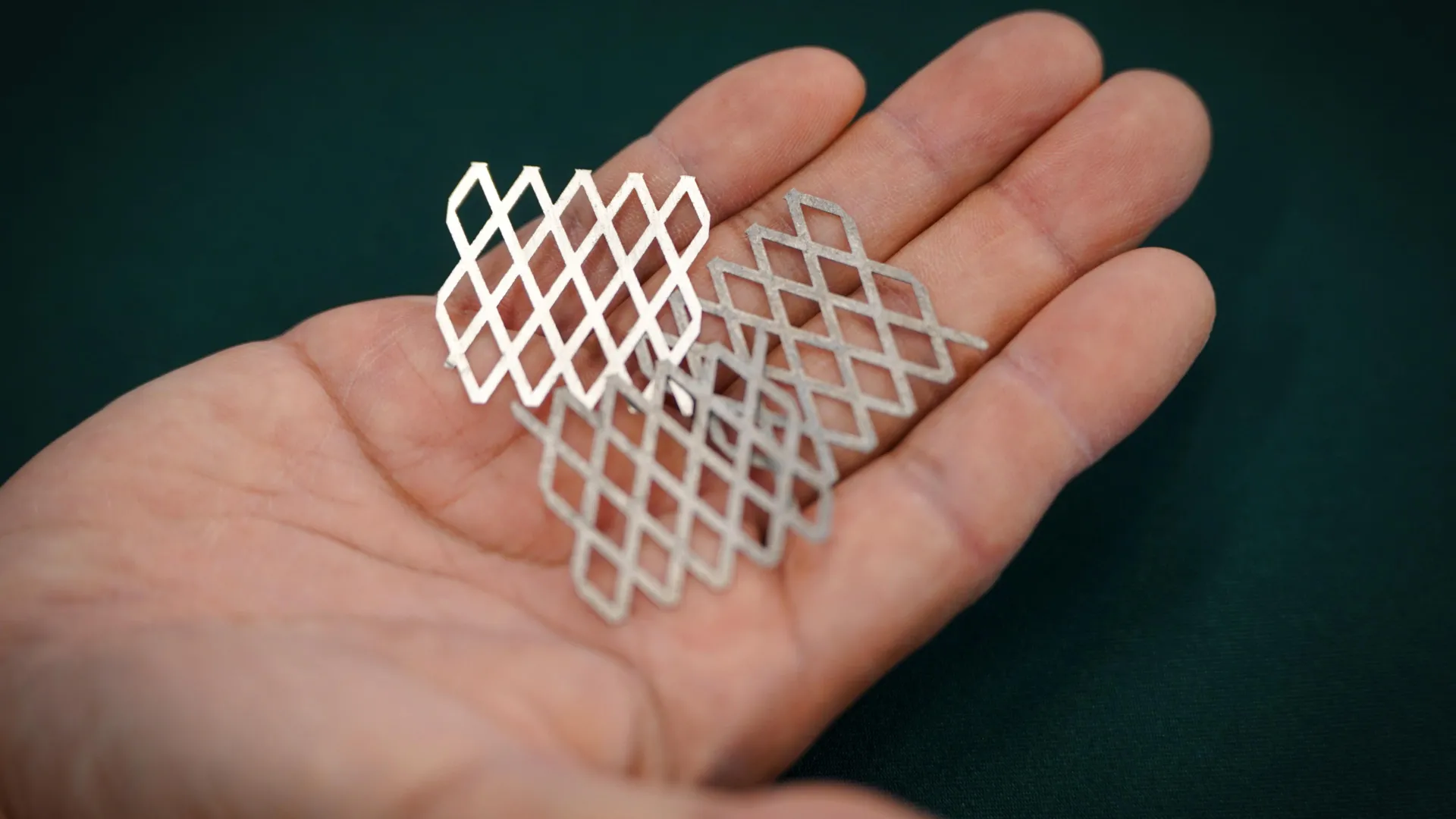
Paper in Materials Today reports HKU’s SS-H2 alloy uses Mn-based dual passivation to survive 1700 mV in seawater, potentially replacing titanium in PEM electrolyzers at 40x lower structural cost.
Key Takeaways
SS-H2 forms a sequential dual-passivation layer: first Cr2O3, then a manganese-based shield at ~720 mV, extending protection to 1700 mV vs. ~1000 mV for conventional stainless steel.
Conventional stainless steel and even 254SMO super alloy fail below the ~1600 mV threshold required for water oxidation electrolysis.
Structural components account for up to 53% of a 10 MW PEM electrolysis system cost; SS-H2 could cut that by ~40x vs. gold/platinum-coated titanium.
Discovery took six years from initial observation to publication; patents granted in multiple countries and tons of SS-H2 wire already produced with a Chinese manufacturer.
Engineering gaps remain: converting wire into electrolyzer meshes and foams for real seawater conditions is still an open problem.
Hacker News Comment Review
Commenters broadly agree the cost-reduction angle is the real story, not the headline: titanium plus precious-metal coatings make green hydrogen uneconomical against cheap natural gas and blue hydrogen.
Chlorine byproduct risk in direct seawater electrolysis was flagged as a parallel materials challenge the alloy alone does not resolve.
Skepticism about hydrogen as energy storage persists, with commenters noting compression losses and battery competition, though industrial reducing-agent use cases were seen as more defensible.
Notable Comments
@lukeinator42: Notes coastal climbing bolts as an immediate non-energy use case; titanium glue-ins are expensive and installation failures have caused fatalities.
@pfdietz: Raises hypochlorite and elemental chlorine as seawater electrolysis byproducts, and speculatively links atmospheric chlorine to methane scrubbing.