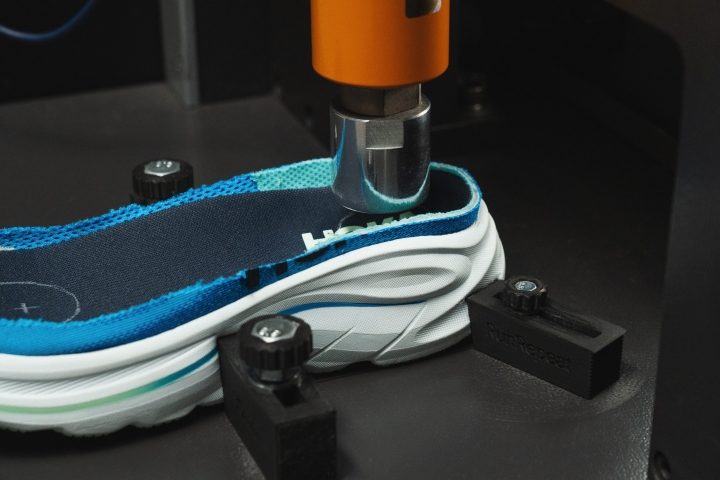
Lab data from 500+ shoes shows energy return depends on foam material (PEBA, A-TPU, TPU) not stack height, and must combine with stiffness and weight for real performance gains.
Key Takeaways
No strong correlation between energy return and shock absorption; ASICS Gel Nimbus 27 scores 47.7% energy return but 136 SA, while Nike Streakfly 2 hits 76.3% with only 106 SA.
Stack height is irrelevant to bounce: a 28mm PEBA midsole can outperform a 45mm EVA midsole on energy return.
Supershoes require three elements together: high-energy-return superfoam, carbon plate stiffener, and lightweight construction. Carbon plates without superfoam (early Hoka Carbon X 3) failed.