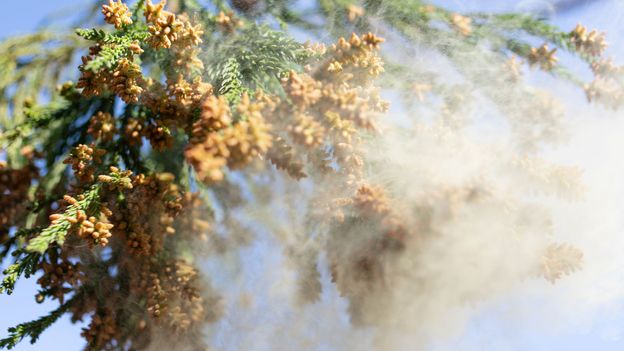
Post-WWII reforestation with monoculture sugi (cedar) and hinoki (cypress) plantations now causes $1.6bn/day in economic damage each spring allergy season.
Key Takeaways
Japan planted sugi and hinoki exclusively after WWII deforestation; both species produce heavy, lightweight pollen that drifts easily into cities.
Trees mature at 30 years and release more pollen after that – nearly all plantations have now crossed that threshold.
Government 2023 plan: cut sugi plantation area by 20% in 10 years, targeting 50% pollen reduction over 30 years; 980,000 hectares designated for logging and replanting.
Kobe’s 180-hectare selective clear-cut program, now halfway done, is already recovering biodiversity – badgers, turtles, rare insects returning.
A new 1,000-yen/year national tax funds sustainable forestry; only 30-40% of newly harvested land has been replanted in recent years per Forest Declaration Assessment.
Hacker News Comment Review
Commenters questioned why Japan’s monoculture problem is so severe when German spruce monocultures exist for 250 years without comparable allergy crises; replies noted sugi/hinoki pollen is inherently more allergenic than European conifers like spruce.
Discussion of urban tree selection bias (male-only trees to avoid fruit litter) parallels Japan’s problem: optimizing for one variable creates systemic pollen overload, a pattern relevant to any large-scale infrastructure monoculture decision.
Notable Comments
@niemandhier: Flags “arboreal sexism” – cities plant only male trees to avoid fruit mess, producing far higher urban pollen loads, a direct design-choice analogy to Japan’s plantation error.