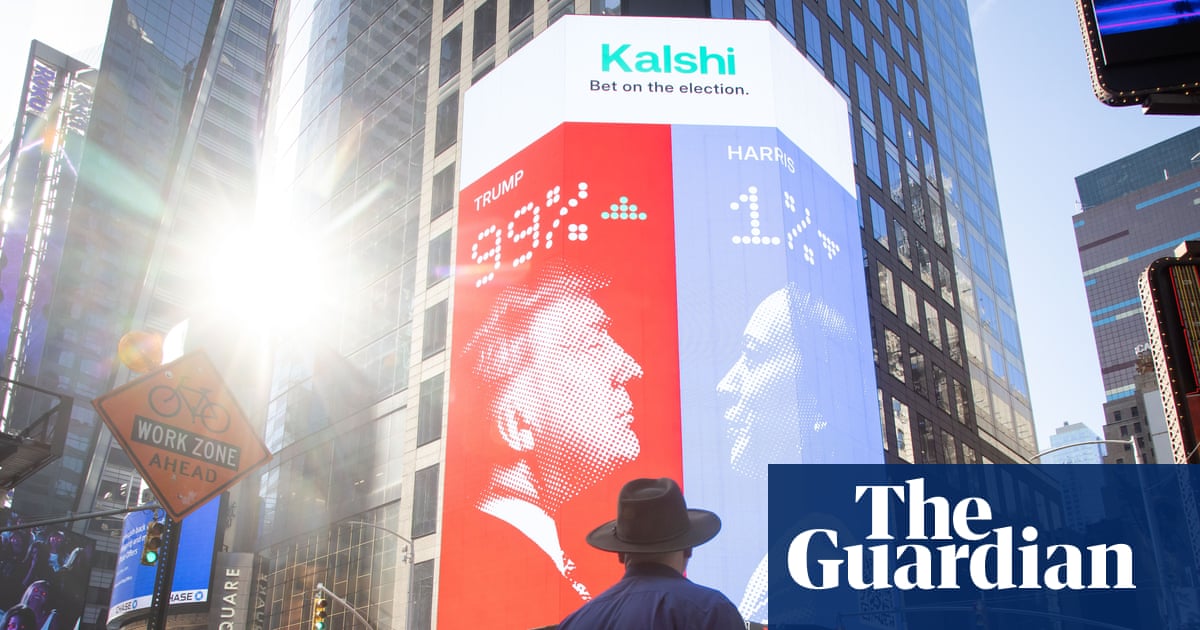
Utah is amending its constitution and filing federal litigation to ban Kalshi and Polymarket, framing prediction markets as gambling under state authority.
Key Takeaways
Kalshi (valued at $22bn) sued Utah Governor Cox and AG Brown in February, seeking an injunction on grounds that CFTC has exclusive federal jurisdiction over event contracts.
Utah’s legislature passed a constitutional amendment unanimously adding “proposition bets” to the gambling ban; Cox signed it in March 2026.
Kalshi won an injunction in Arizona but lost in Nevada and Tennessee, creating a split-circuit patchwork that legal observers say is headed toward the Supreme Court.
Trump Jr. advises both Kalshi and Polymarket; Trump Media explored its own prediction market, putting Utah Republicans in direct opposition to their own party’s federal leadership.
Utah federal bills (Event Contract Enforcement Act; Curtis-Schiff legislation) would strip CFTC authority over election, sports, and war contracts and let states decide.
Hacker News Comment Review
Commenters broadly treated prediction markets as functionally equivalent to sports gambling, citing addiction data and the lack of physical-friction barriers that casinos impose.
The “price discovery” argument for prediction markets got pushback: commenters questioned whether posted odds reflect true probabilities, and noted that market existence can distort the outcomes being predicted.
A recurring tension: some commenters see prediction markets as a useful signal-extraction tool against media noise, but concede the current marketing and expansion pace is politically self-defeating.
@bitmasher9: raises three concrete objections – odds reliability, outcome distortion (Super Bowl Streaker example), and availability of better private data for real forecasting needs.