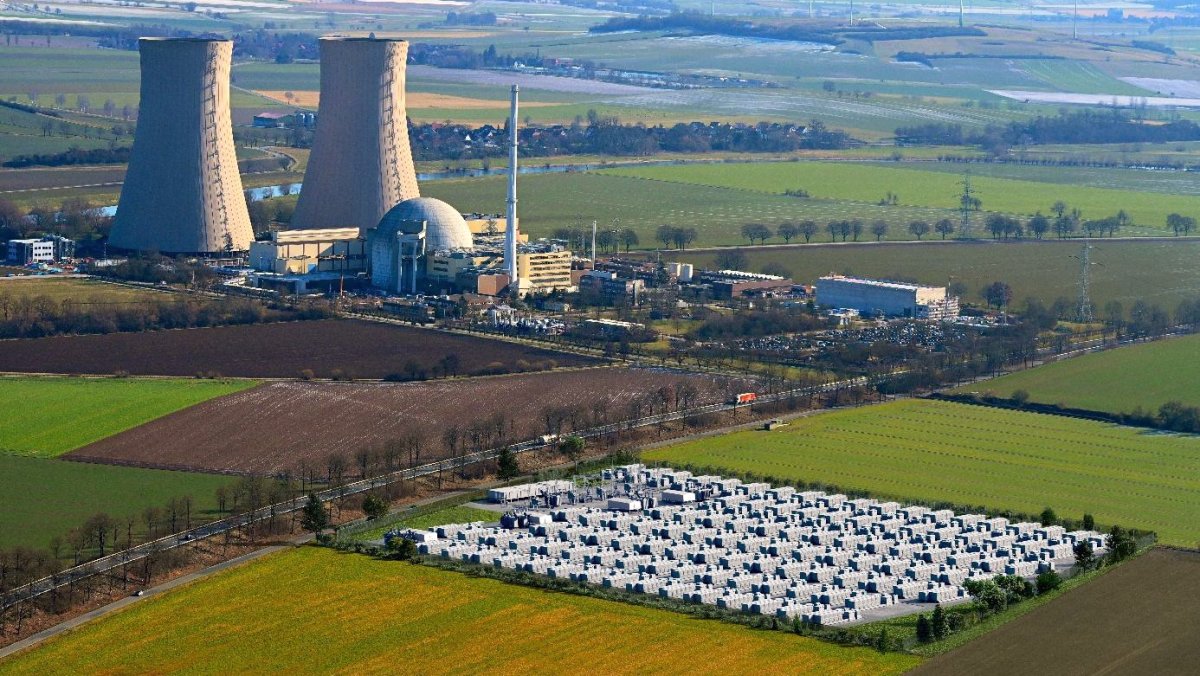
Emmerthal energy cluster replaces Germany’s Grohnde nuclear site with up to 1.87 GW / 7.8 GWh of BESS plus solar, connected via new TenneT 380 kV substation.
Key Takeaways
GESI (870 MW / 3.84 GWh LiFePO4) and FRV (600 MW / 2.4 GWh) already have grid connection commitments; Elements Green capacity TBD.
Business model: buy cheap northern wind surplus, sell south via AC lines when needed; HVDC coupling to RheinMainLink or SüdLink is not planned at this site.
Substation not complete until end of 2030; SüdLink targets 2028, RheinMainLink 8 GW capacity from 2033 – battery revenues depend on these timelines.
TenneT upgrading existing 380 kV lines via re-stringing with high-temp aluminum-steel cables rated to 150C, boosting capacity up to 50% with same diameter.
Germany currently has ~5.2 GWh large BESS operational (3.2 GW); another 10 GWh pipeline targets end of 2027 per battery-charts.de / MaStR data.
Hacker News Comment Review
Commenters flagged the arbitrage bet as aggressive: ~5 GW of batteries speculating on north-south price spreads raises questions about whether the economics pencil without grants.
The decommissioned nuclear site is seen as a genuine grid-siting hack – existing high-capacity connections and cleared permitting reduce the decade-long bottleneck that plagues new BESS sites.
Local opposition to BESS (groundwater contamination fears, fire risk) is a recurring blocker elsewhere, making brownfield nuclear land with established infrastructure politically easier to defend.
Notable Comments
@wongarsu: Notes grid connections alone can take a decade of planning; nuclear brownfield sidesteps NIMBYs and permitting delays simultaneously.