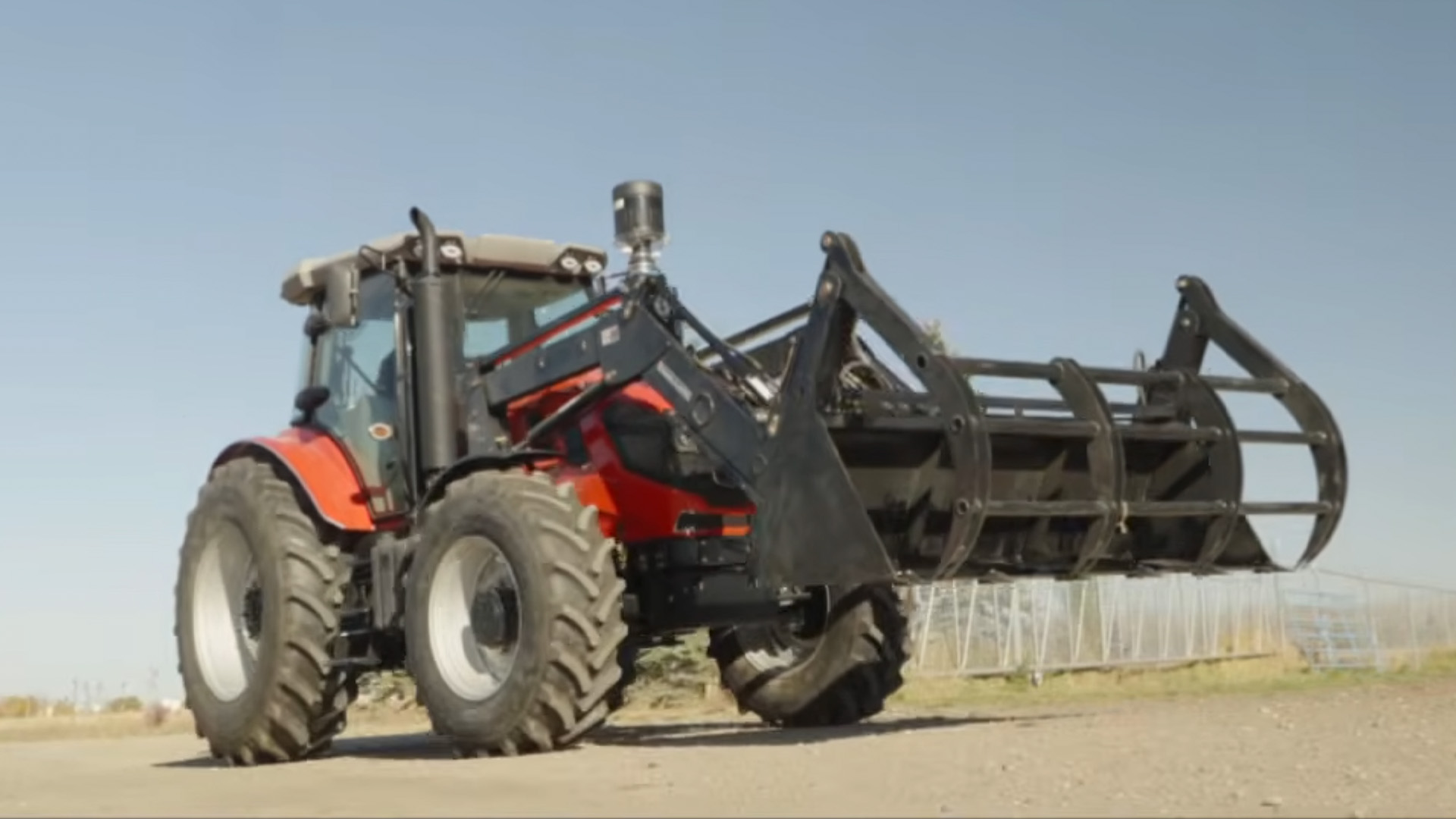
Ursa Ag (Alberta) builds tractors stripped of modern precision-ag electronics and sells them at roughly half the price of comparable OEM equipment.
Key Takeaways
“No-tech” is the explicit product positioning, not a downgrade – Ursa Ag bets a real market segment never wanted the complexity.
Half-price entry point implies the cost savings come from removing proprietary sensors, software stacks, and dealer-controlled diagnostics.
The company’s Alberta origin keeps it outside US farm equipment regulatory frameworks that govern emissions and safety electronics on new machinery.
Value proposition is durability and owner-serviceability: a tractor a farmer or independent shop can actually fix.
Hacker News Comment Review
Commenters flag a structural business model risk: selling maximally durable, repairable equipment undercuts recurring service revenue – the “100-year lightbulb” problem – and several questioned long-term unit economics.
A significant thread argues US regulatory rules make no-tech tractors functionally illegal to sell domestically, which constrains the addressable market and may explain why the company launched in Canada.
Consensus framing: lock-in is the real industry problem, not the underlying technology. Commenters see latent demand for open-ecosystem alternatives across tractors, EVs, and consumer hardware – Ursa Ag is one narrow wedge.
Notable Comments
@simplyluke: details how US emissions and safety rules effectively prohibit this product category domestically, citing the 12-valve Cummins as the kind of widely-understood engine that makes owner repair viable.
@alexpotato: raises the lightbulb paradox directly – “markets are not” designed for products that last forever – questioning whether the business model is structurally sustainable.
@uticus: pushes back on the farmer-sympathy framing; notes that actual equipment market spend is dominated by agri-industrial operators who prioritize uptime and ROI over repairability.