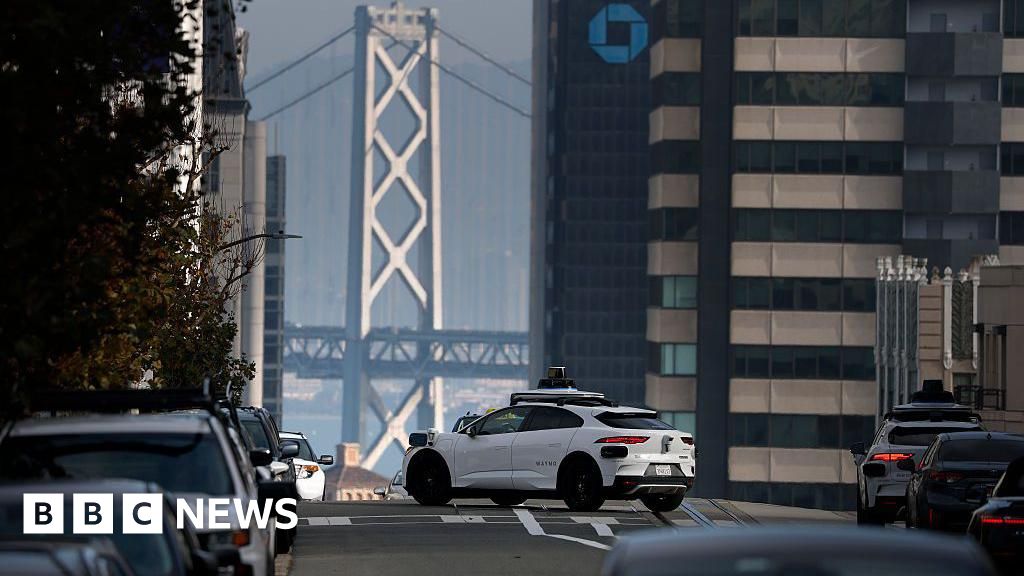
California DMV rules effective July 1 let police issue “notice of AV noncompliance” tickets directly to AV manufacturers for moving violations.
Key Takeaways
Rules require AV operators to respond to police or emergency calls within 30 seconds and ban entry into active emergency zones.
California calls these “the most comprehensive AV regulations in the nation,” part of a broader 2024 AV oversight law.
Waymo is the primary robotaxi operator affected; Tesla also holds AV test permits in California cities.
Previously, police had no mechanism to ticket driverless vehicles – a San Bruno officer caught a Waymo making an illegal U-turn but could only contact the company about a “glitch.”
San Francisco Fire Department has repeatedly cited robotaxi interference with emergency responses as a specific operational hazard.
Hacker News Comment Review
Commenters were broadly surprised enforcement wasn’t already in place, with several noting the permit framework should have included ticketing from the start.
Debate emerged over whether tickets are the right mechanism: some argue systemic violations should trigger operational suspension rather than fines that become a cost of doing business.
A power user with 344 Waymo rides noted AVs routinely block traffic lanes during pickups and park in bike lanes – violations invisible to crash statistics but that tickets could surface as training signals.
Notable Comments
@crazygringo: argues tickets misfit AV edge cases – intentional fixable violations warrant suspension; rare edge-case violations warrant frequency thresholds, not per-incident fines.
@cowlby: flags long-run fiscal risk: AV companies will absorb tickets and fix issues quickly, eroding a meaningful city revenue stream as roads automate.