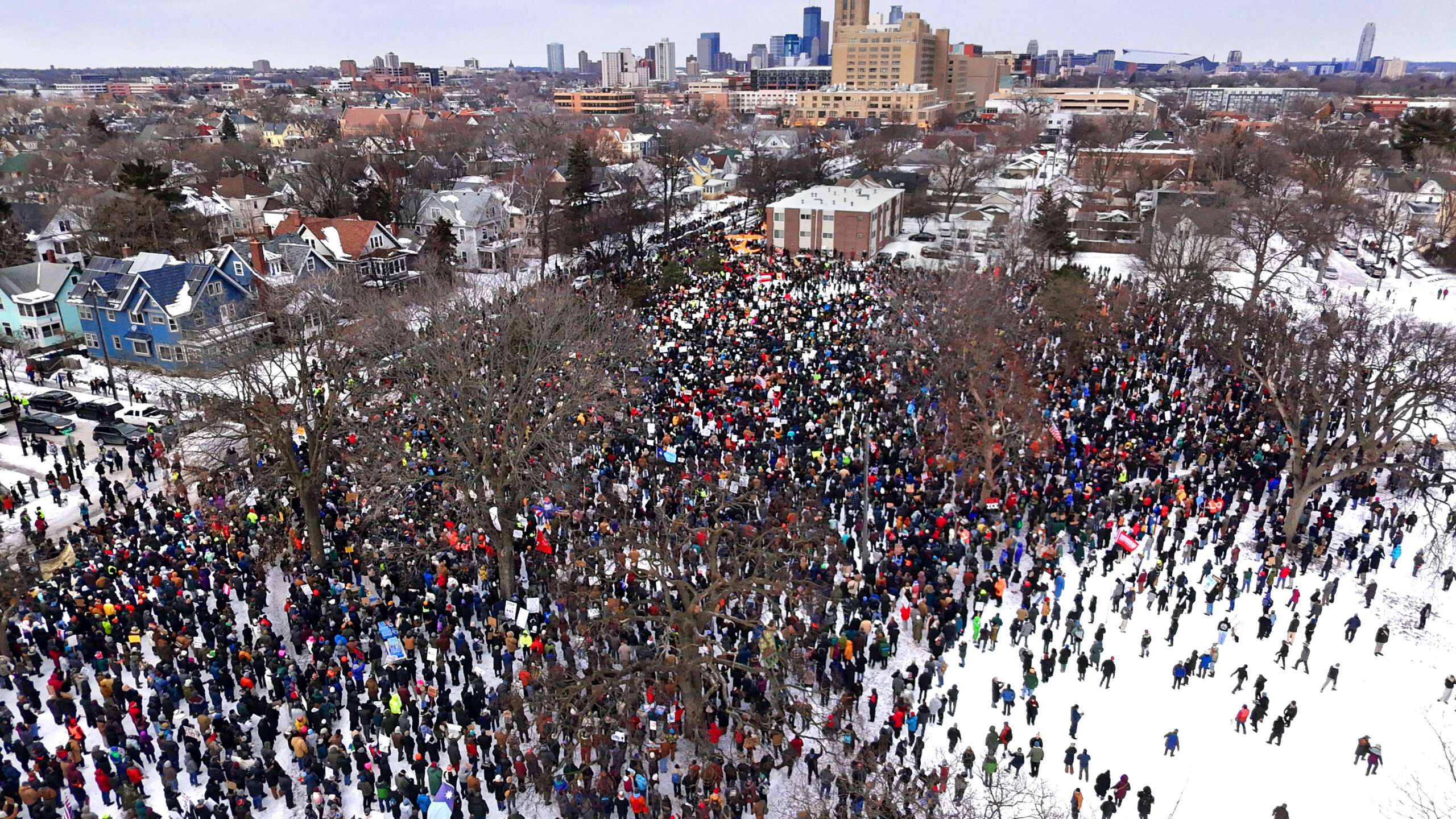
Photojournalist Rob Levine sued the FAA over NOTAM FDC 6/4375, which created 3,000-foot roving no-fly zones around unmarked moving DHS vehicles; FAA replaced it with a non-binding advisory on April 15.
Key Takeaways
NOTAM FDC 6/4375 (Jan 16, 2026) prohibited drone flight within 3,000 lateral and 1,000 vertical feet of moving, unmarked DHS vehicles – with no published routes and no way for pilots to locate them.
The restriction ran 21 months (to October 2027), carried criminal penalties, and applied to all US drone operators, not just journalists filming agents.
Drone compliance apps like Air Control and the Remote ID system have no mechanism to track unmarked moving ground vehicles, making legal compliance structurally impossible.
The Reporters Committee filed Levine v. FAA (26-1054) with the DC Circuit on March 16; an emergency motion on April 10 may have accelerated the FAA’s April 15 revision.
Replacement NOTAM FDC 6/2824 drops the prohibition and criminal charges but retains federal authority to seize or destroy drones deemed a threat, leaving a chilling effect intact per EFF.
Hacker News Comment Review
Commenters flagged a built-in irony: no-fly zones around moving vehicles could expose ICE operational routes, since pilots receive alerts the moment a zone closes around them mid-flight.
The compliance impossibility framing drew the most technical agreement – the industry term “impossible compliance problem” resonated, with the Drone Service Providers Alliance already on record using that language before the lawsuit.
Political noise was high enough to generate flagging and calls to remove the thread, but the substantive thread underneath focused on FAA’s unilateral power to impose 21-month, nationwide criminal-penalty restrictions via NOTAM rather than rulemaking.
Notable Comments
@delichon: “Unmarked no-fly zones at unannounced times and locations are a remarkable innovation” – concise capture of the retroactive-enforcement absurdity.