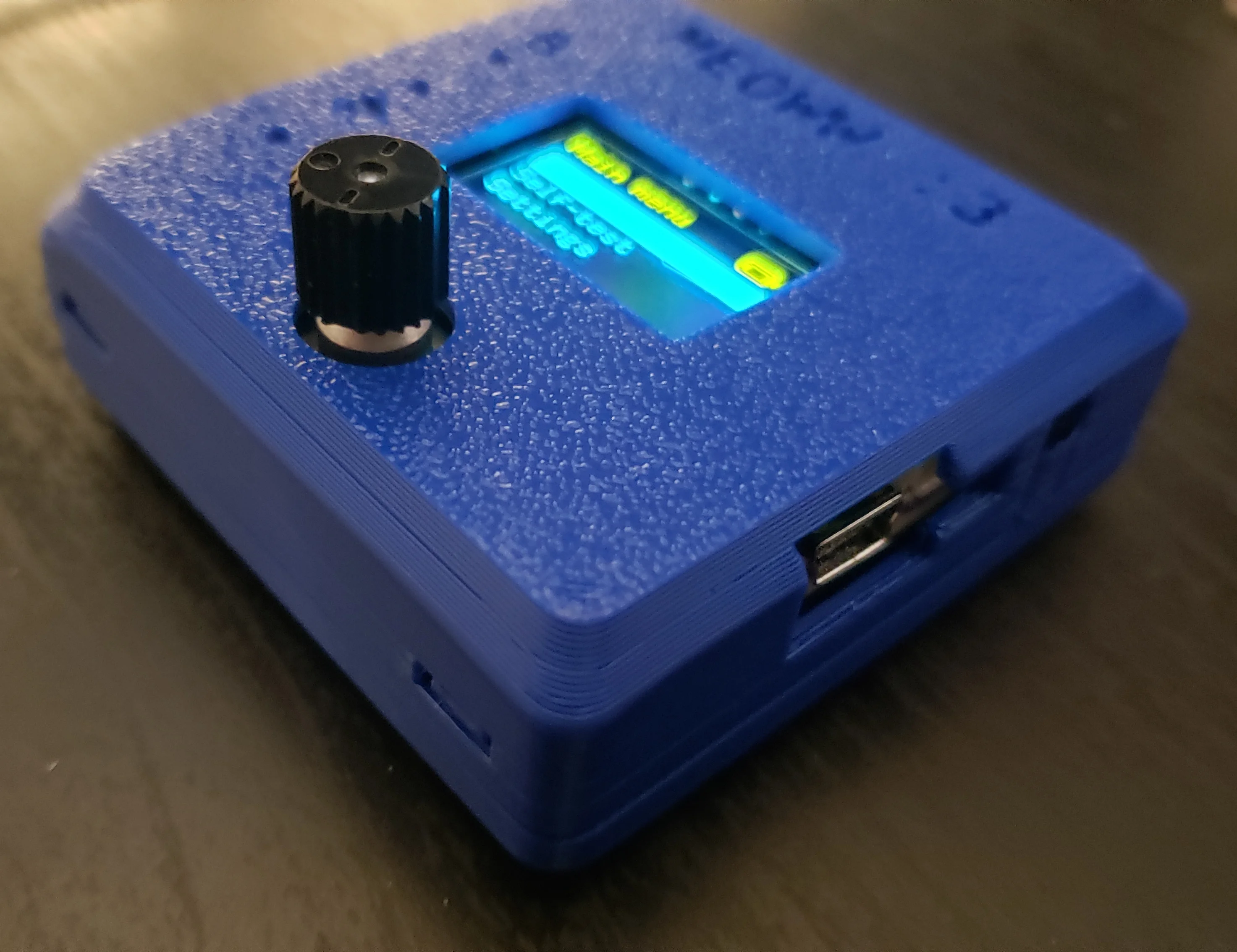
A builder constructed a DIY galvanic hair electrolysis machine using an RP2040, a Dickson charge pump, a 5-bit resistor DAC, and a 3D-printed electrolysis pen to permanently remove hair follicle-by-follicle.
Key Takeaways
Galvanic electrolysis generates sodium hydroxide (lye) in the follicle via DC current; lye units (LU) = mA x seconds x 10, with target ranges from 10 LU (fine vellus) to 60 LU (very deep terminal hair).
The charge pump (3-stage Dickson, RP2040 PWM) boosts 3.3V to ~12V while physically limiting output to a few milliamps, serving as a hard safety ceiling.
Current control uses a 5-bit resistor DAC feeding an op-amp and BJT; ADC feedback lets the RP2040 verify actual vs. requested current and compute lye accurately.
Polarity is critical: reversed needle polarity generates hydrochloric acid instead of lye, increasing scarring risk.
DE-9 connector female pins fit standard electrolysis needles snugly; the pen body was 3D-printed in FreeCAD and assembled with a solder stencil on a custom PCB.
Hacker News Comment Review
Commenters confirmed professional electrolysis costs $100/hour with 100-300 hours typical for facial hair alone, making DIY financially significant for those needing full facial or body coverage.
A recurring thread explored robotic/CNC extensions: mounting the needle on a gantry was proposed, though commenters noted 5-axis motion and pore-angle targeting would be needed to fully automate.
Pain perception from a commenter with professional electrolysis experience tracks roughly with tweezing repeated hundreds of times per session, suggesting the DIY sensation should be comparable if calibrated correctly.
Notable Comments
@kategorybee: Electrolysis on face and neck runs tens of thousands of dollars; full body removal “would easily” exceed that, grounding the cost motivation concretely.
@brohee: Proposes needle-on-gantry as step 2, noting the current build saves money but not time or skill.