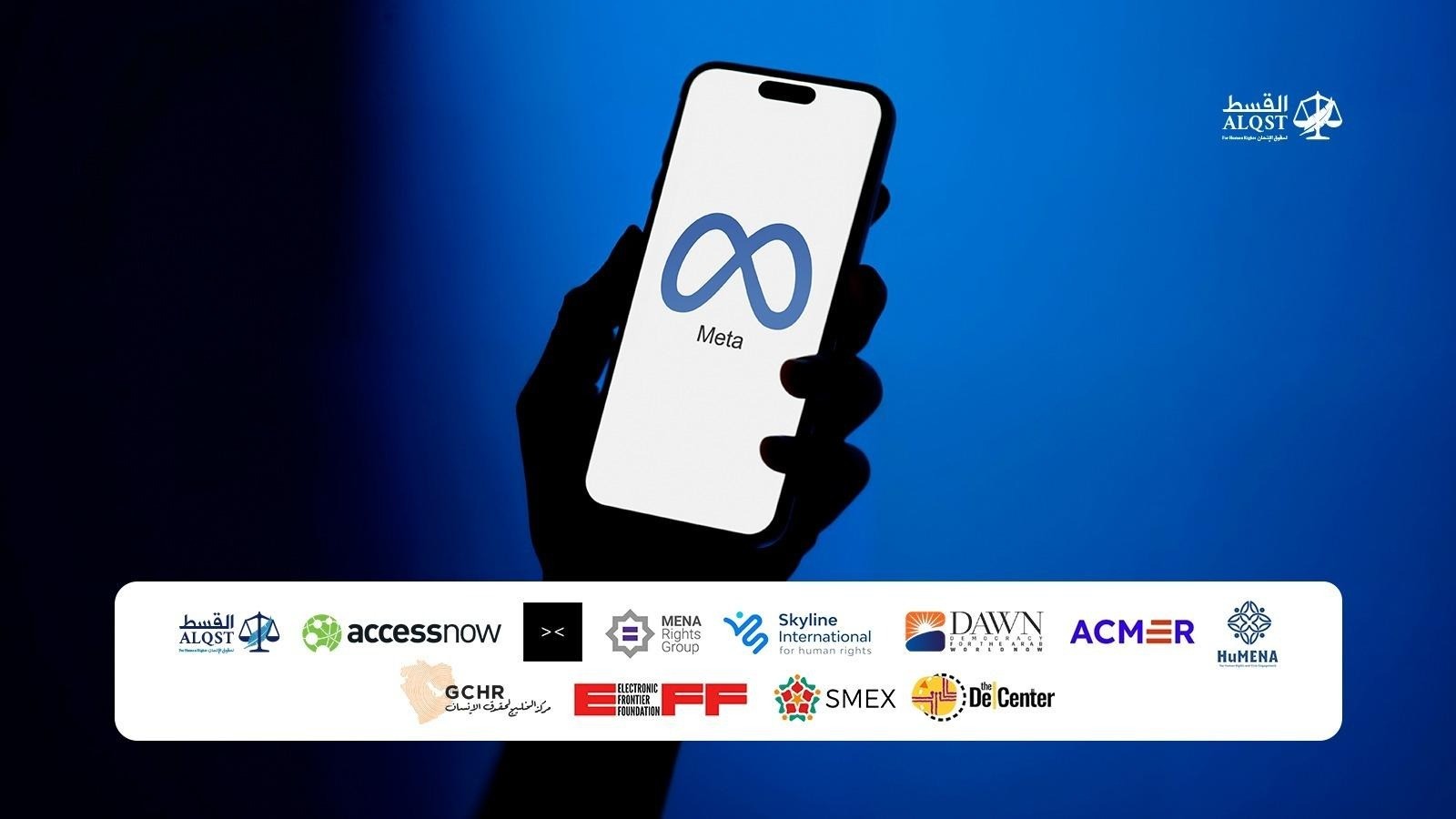
Since April 30 2026, Meta geo-blocked Facebook and Instagram accounts of NGOs ALQST, Democratic Diwan, and individual researchers at Saudi and UAE government request.
Key Takeaways
Over 100 Facebook pages and Instagram accounts restricted since March 2026; Meta cites Saudi and UAE cybercrime laws as legal basis.
Affected accounts notified of “local legal requirement” or “government request”; restricted content includes reporting on regional geopolitical conflicts and Iran strikes.
The pattern follows similar X (Twitter) geo-blocking requests; X had not complied with Saudi requests as of May 20 2026.
NGO coalition including EFF, Access Now, and ALQST demands Meta publish full legal requests, its human rights due diligence reviews, and restore all affected accounts.
Meta’s own human rights policy explicitly flags “censorship demands from governments or their proxies” as a concern, creating a direct contradiction with its compliance here.
Hacker News Comment Review
Commenters split on whether Meta had a real choice: geo-blocking may be preferable to full platform bans, but critics note that framing compliance as human-rights-reviewed is the real offense.
A recurring thread challenges consistency: commenters who defend GDPR-style local-law compliance were pressed on whether the same logic holds for Gulf cybercrime laws suppressing dissent.
Some commenters argued Saudi and UAE lack the leverage of Russia or China to force a full platform exit, weakening the “no alternative” defense.
Notable Comments
@neksn: Calls out perceived HN double standard: praising local-law compliance for GDPR but condemning it for Gulf censorship requests.
@fnordpiglet: Argues the open internet and Usenet era genuinely spread freedom; social media was always monetization, “the cancer of our collective mind.”