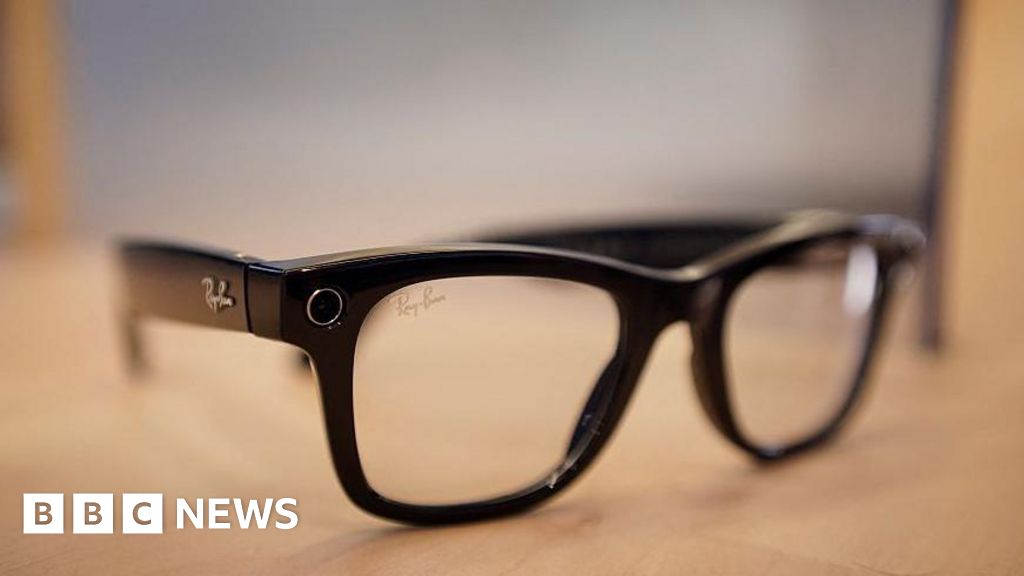
Meta terminated its Sama contract, making 1,108 Kenyan data annotators redundant, weeks after workers alleged they reviewed intimate footage captured by Meta Ray-Ban glasses.
Key Takeaways
Meta says Sama failed to meet its standards; Sama says it was never notified of any deficiency and disputes the claim entirely.
Workers told Swedish outlets SvD and GP they reviewed video from glasses left recording in bedrooms, including footage of women undressing.
Meta acknowledged human review of smart glasses content to the BBC, framing it as standard AI training practice with user consent via terms of service.
UK ICO flagged the practice as “concerning”; Kenya’s Office of the Data Protection Commissioner opened a formal investigation.
Africa Tech Workers Movement alleges the real reason for termination was workers speaking out, calling Meta’s stated standards “standards of secrecy.”
Hacker News Comment Review
Core debate splits between the privacy violation itself (glasses uploading intimate footage for human annotation) and the retaliation angle (contract cancelled after whistleblowing), with commenters viewing both as serious independently.
Commenters noted the upload trigger is likely user-initiated AI queries, meaning wearers may not realize a human will later review the captured frame, not just a model.
General consensus is that Meta’s structural incentives make thoughtful handling of wearable privacy impossible, not merely unlikely, regardless of internal data-classification policy.
Notable Comments
@KaiserPro: Ex-Meta employee describes an internal Level 4 data classification for all user data, with instant termination for unauthorized access, highlighting the gap between policy and this incident.
@swiftcoder: Points out POV content is a known commercial use case for smart glasses, and the annotation pipeline should have anticipated and scoped for it.