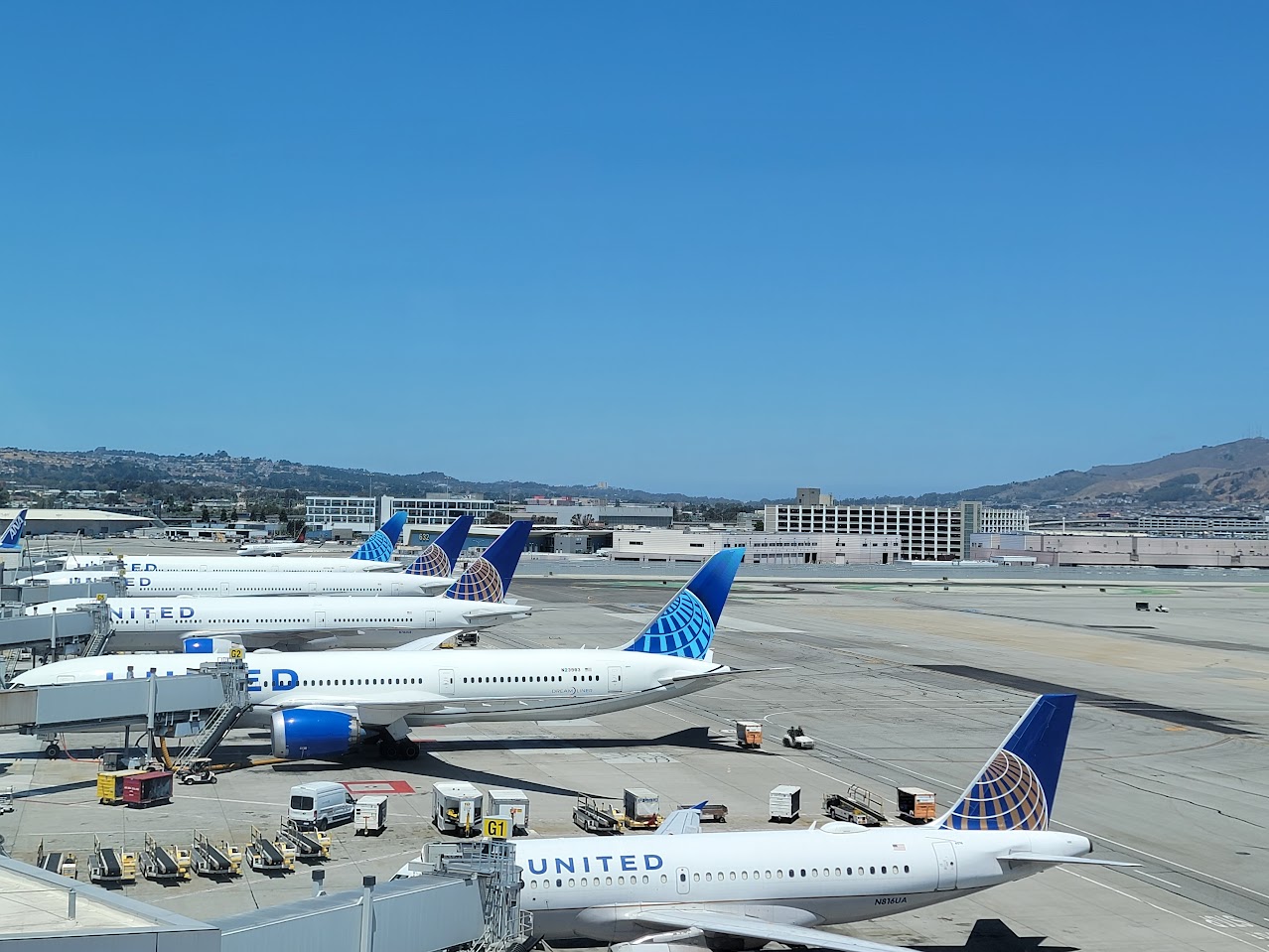
SFO has been a “quiet airport” since 2018, cutting 40% of paging and eliminating 90+ minutes of daily announcements in the International Terminal alone.
Key Takeaways
Announcements are now gate-scoped, not terminal-wide; SFO worked directly with airlines in 2020 to centralize and reduce paging.
Amsterdam Schiphol has run a similar silent-airport program since at least 2011; Singapore Changi and Zurich have adopted comparable approaches in some terminals.
SFO is the first U.S. airport to go quiet at this scale, though others offer quiet rooms or reduced noise near gates.
The accessibility tradeoff is real: quieter airports benefit neurodivergent and sensory-sensitive travelers but may disadvantage visually impaired passengers who rely on audible alerts.
Next SFO targets are mechanical noise from escalators and moving walkways, not just human-generated PA content.
Hacker News Comment Review
Commenters broadly agreed that targeted announcements are strictly more effective than terminal-wide blasting, since travelers mentally filter out irrelevant noise, reducing attention to the rare signal that matters.
Several noted the gap between airports still running 24/7 looping safety warnings (moving walkways, red zone, sneeze reminders) and the SFO model, framing it as a product design failure as much as a noise problem.
The boarding-plane PA was flagged as the next logical target: frequent fliers have heard the carry-on bin instructions thousands of times, suggesting the same zone-scoping logic should extend onboard.
Notable Comments
@jessriedel: targeted announcements improve hearing the ones that matter, not just comfort – relevance filtering is the mechanism
@changoplatanero: overnight in Phoenix with a looping “moving walkway is coming to an end” announcement all night – a direct cost case for the old model