Rewatching The X-Files in 2025 crystallizes how 90s friction-based tech, tight communities, and film-era cinematography produced a richer daily experience than today’s always-on internet.
Key Takeaways
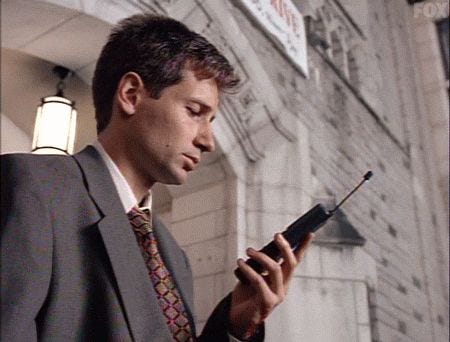
Each X-Files prop (Motorola brick, fax, wired keyboard) did one job with deliberate friction; contrast with today’s unknowable-algorithm devices that are somehow neither functional nor fun.
The author cites emerging data linking regular ChatGPT use to cognitive atrophy, framing AI slop as the show’s “Trust No One” mantra made literal.
Film-grain cinematography and intentional color grading in 90s TV look visibly superior to flat Netflix lighting; the author ties this to film-vs-digital camera shift.
A Ryan Coogler X-Files reboot is noted as an upcoming test of whether the show’s paranoia themes translate to a deepfake-saturated media environment.
The author argues Mulder’s wonder-driven conspiracy logic is incompatible with today’s algorithmically radicalized conspiracy culture.
Hacker News Comment Review
Commenters who lived through the 90s broadly confirm the nostalgia is grounded: the era coincided with low economic inequality, nascent internet optimism, and a tech landscape a smart teenager could actually understand and tinker with.
There is pushback on the show itself: several commenters warn quality drops sharply after seasons 2-3, so new watchers should lower expectations before the mythology arcs collapse.
A recurring counterpoint challenges the screen-glued-at-parties narrative: some commenters report their own social circles still socialize without phones, suggesting the problem is self-selection in social groups rather than universal decay.
Notable Comments
@jgord: Recommends “Halt and Catch Fire” as the sharper artifact of that era; notes low inequality made garage startups and garage bands structurally possible.
@moregrist: “The weirdest thing about the AI hype cycle is the inherent nihilism of it all” – flags that 90s tech optimism is the real missing variable, not just the gadgets.