Elsevier fired a third finance editor after investigation documented 125 fraudulent co-authorships, 15,663 inflated citations, and an estimated 350 retractable papers.
Key Takeaways
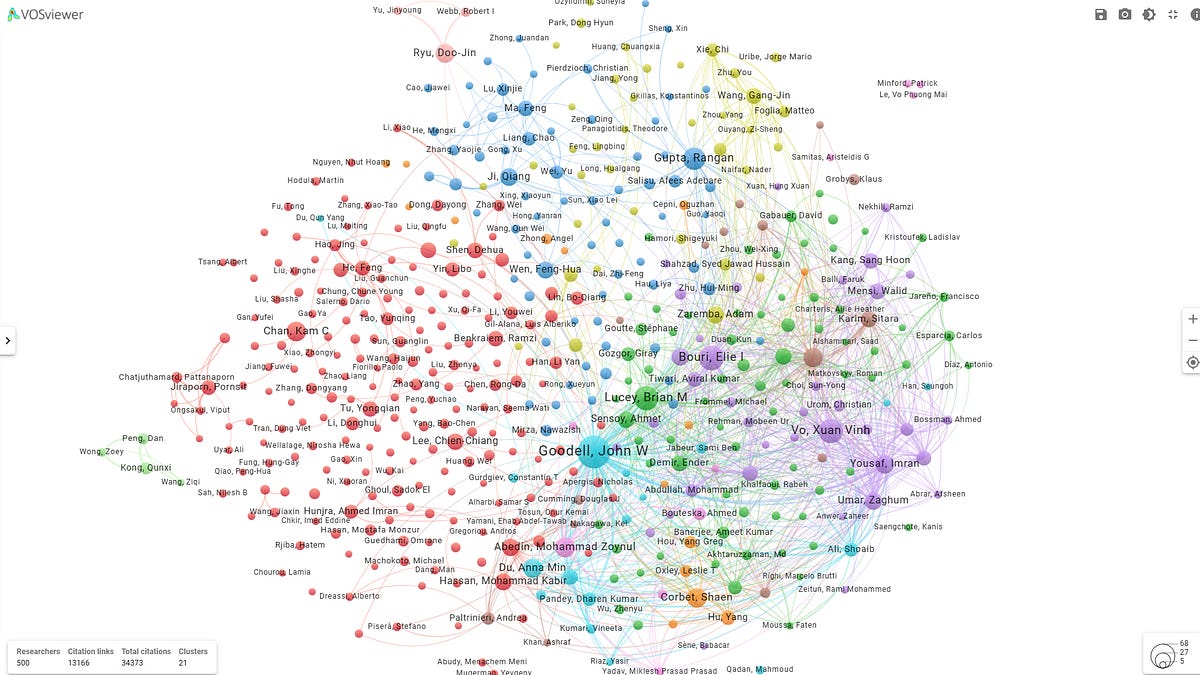
Goodell’s annual output jumped from roughly 5 papers to 58 after receiving 100+ gifted co-authorships from fired editors Brian Lucey and Samuel Vigne.
Goodell accepted RIBAF submissions and received co-authorship credits on submitters’ papers at other journals, a documented reciprocal exchange to inflate H-index.
Anna Min Du published 22 RIBAF papers in 2024-2025 and added Goodell as co-author on 14 papers at other journals that same period.
Elsevier replaced the editors but has not retracted the estimated 200-350 compromised papers, suggesting damage containment over accountability.
Goodell’s citation profile shows a “J-curve” hallmark of citation rings; 4,203 citations earned in 2025 alone despite his University of Akron position.
Hacker News Comment Review
Consensus centers on Elsevier’s structural model: charging $11K per paper to publish, paying authors $0, then selling university subscriptions for $1M; firing editors changes nothing.
Commenters argue H-index and publication-count metrics used by tenure committees are the actual incentive engine, and universities bear structural responsibility alongside the publisher.
The J-curve anomaly in Goodell’s citation profile should have triggered automated red-flag detection years earlier; the delayed response suggests Elsevier prioritized scandal containment.
Notable Comments
@amarcheschi: raises whether LLMs still cache papers Du removed from Google Scholar, a forensic recovery angle the original investigation missed.
@bpt3: “3 down, thousands to go” – argues the only real fix is removing Elsevier from academic publishing entirely, not replacing individual editors.