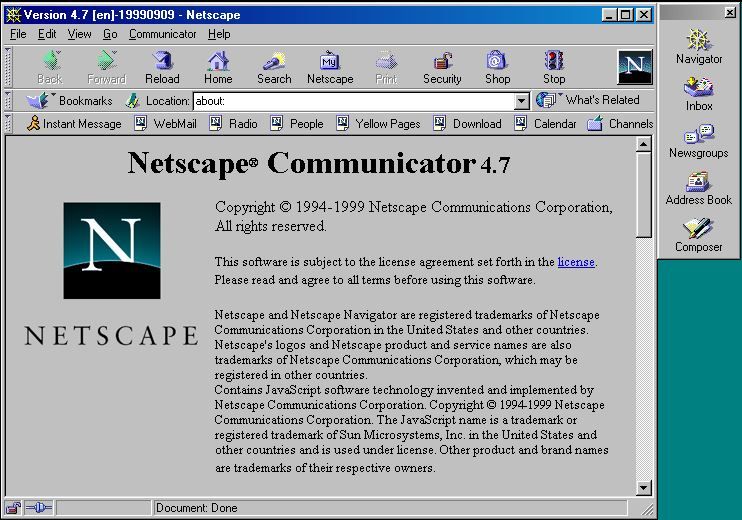
Joshua Blais argues reclaiming web agency means dropping algorithmic feeds for RSS, IRC/XMPP, self-hosted search, POSSE publishing, and protocol-layer thinking.
Key Takeaways
RSS via Miniflux is the recommended entry point: subscribe to real creator feeds, skip algorithm-curated platforms entirely.
IRC and self-hosted XMPP with OMEMO encryption give higher signal-to-noise than platforms that allow images, video, and upvotes.
POSSE (Publish on your Own Site, Syndicate Elsewhere) lets you own content and use social platforms only as push distribution, never consumption.
Search quality recovers with intentional queries: date-scoped operators like before:2025 net/http go language beat vague natural-language prompts.
Local archiving via Syncthing plus Internet Archive backups addresses link rot without depending on platform persistence.
Hacker News Comment Review
The sharpest technical objection is that the 1999 nostalgia conflates browser hostility with the era itself; modern clients can be fast and private if developers stop treating user hardware as an adtech resource.
A counterfactual thread pushed back hard on the premise: 2026 search and reference depth are objectively superior to 1999, when paper books were still required for routine knowledge tasks.
Commenters identified a structural barrier the article underweights: most users are now phone-and-app-only, and the literacy gap between even technically literate friends from the early-2000s LAN-party era versus today is stark.
Notable Comments
@tptacek: argues the 2026 internet is “vastly better” than 1999 by any objective measure; real grievances exist but the framing is selective.
@vovanidze: frames the core issue as browser hostility, not era – “megabytes of third-party JS just to track telemetry” is the actual regression, not HTTP itself.
@GaryBluto: notes the irony of delivering an anti-modern-web message via a page built on massive modern frameworks.