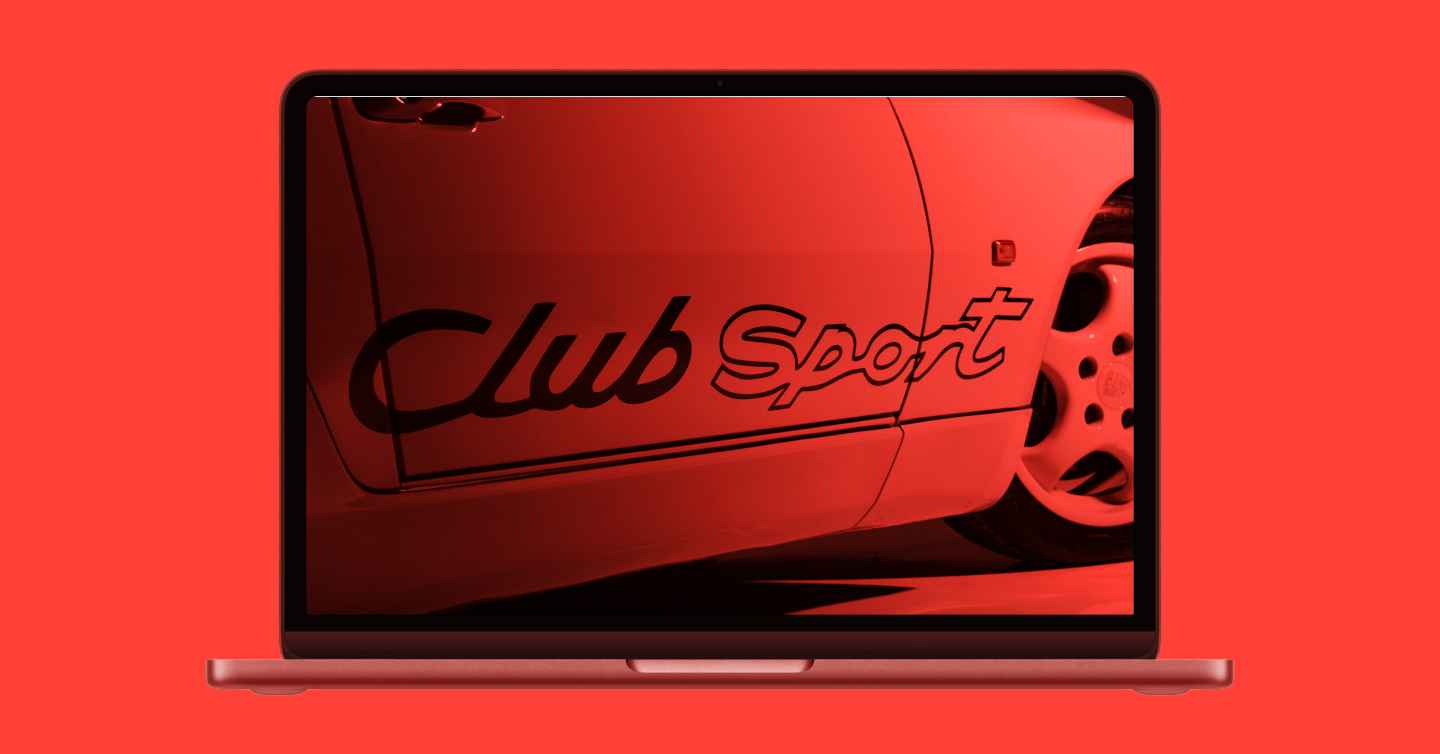
Apple’s MacBook Neo and Porsche’s 968 Club Sport prove that hard price constraints, not cost-cutting compromises, can make the cheapest product the most desirable in a lineup.
Key Takeaways
MacBook Neo uses a binned iPhone chip, skips Thunderbolt and large RAM configs by architecture, and ships in exclusive colors (blush, citrus) absent from the rest of Apple’s lineup.
Porsche’s 968 Club Sport was built by stripping everything first – AC, electric windows, rear seats – then adding racing colors, bucket seats, and lowered suspension to clear a £29,000 UK company-car tax threshold.
Both teams reframed the problem as creative opportunity: start from zero, add back only what defines the product, then reposition rather than just reprice.
MacBook Neo is Apple’s most repairable laptop in a decade – no adhesive, straightforward internals – making it a practical buy for school IT departments, not just a consumer talking point.
The entry product as on-ramp is deliberate: buyers learn their real requirements by hitting limits, then upgrade to pricier models with a clear wishlist.
Hacker News Comment Review
Real-world Neo owners report roughly 3.5 hours battery at max brightness because the display draws disproportionate power relative to the rest of the low-power system – a tradeoff Apple’s marketing elides.
The binned-CPU narrative is contested: commenters note that shipping 5M+ units per half would require implausibly high iPhone 16 yield loss; more likely Apple fabbed dedicated Neo dies from the outset.
The Framework 12 vs Neo decision is live for many parents buying kids’ first laptop – macOS app-support lifecycle vs Linux repairability and hardware upgrade paths is the real axis, not raw specs.
Notable Comments
@voidUpdate: asks why “phone specs in laptop form factor” isn’t a broader product category – most normal workloads (browsing, light productivity) are within reach of modern SoCs already.
@Gigachad: points out Apple has long reserved exclusive colors for cheaper tiers, likely because limited SKU count on entry models makes multi-color inventory tractable where it isn’t on Pro lines.