Venus orbital and balloon missions are a credible intermediate step between the Moon and Mars, with near-Earth atmosphere conditions at 50-65 km altitude and a cluster of unexplained chemical anomalies that could indicate life.
Key Takeaways
Venus high-cloud layer (~50-65 km) has Earth-like pressure and temperature; 0.91g gravity means hardware can be developed on Earth without Martian-gravity simulation.
Atmospheric anomalies stack up: phosphine (corroborated by multiple measurements), unknown UV absorber, SO2 depletion, ammonia, molecular oxygen, and Mode 3 haze particles of unknown non-spherical composition.
Petkowski and Seager’s ammonia hypothesis ties all anomalies to microbial metabolism, raising cloud pH to ~1 – testable with cheap balloons, not deep drilling.
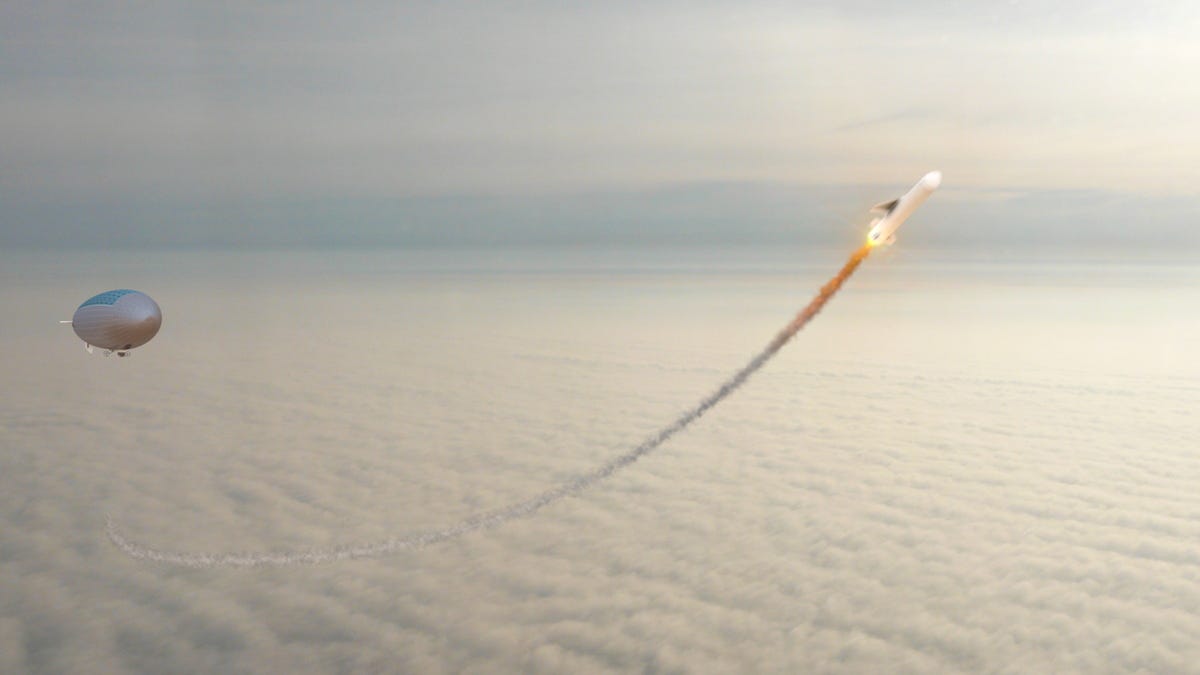
RocketLab private mission funded by anonymous benefactor is already in progress; fixed-altitude balloons are a low-cost entry point, with variable-altitude and hybrid flying-wing designs as follow-ons.
Humanity has accumulated 4.5 days in the Venusian atmosphere vs. 80+ combined years of Mars surface and orbital time – the dataset is tiny.
Hacker News Comment Review
Skeptics focused on the “never land” constraint: an airship colony is entirely self-sufficient with no abort to a surface, making the logistics more comparable to deep-sea habitation than to Mars settlement.
NASA’s HAVOC concept (Langley, mid-2010s) and Geoffrey Landis’s 2003 colonization paper are the canonical prior art; commenters noted these ideas have been cycling for decades without programmatic traction.
Technical pushback centered on probe survival: Soviet Venera landers lasted hours at best, and commenters questioned whether the article undersells how quickly surface hardware is destroyed.
Notable Comments
@ultratalk: HAVOC (High Altitude Venus Operational Concept) was a 5-stage crewed mission concept from NASA Langley, mid-2010s; nitrox atmosphere acts as a lifting gas in Venusian air.
@beloch: “Imagine living on an airship… with the hard rule that you can never land” – flags self-sufficiency and no-abort as the underrated hard constraint.
@guenthert: Probe lifetimes measured in minutes cuts against the “everything gets easier” framing once you leave the clouds.