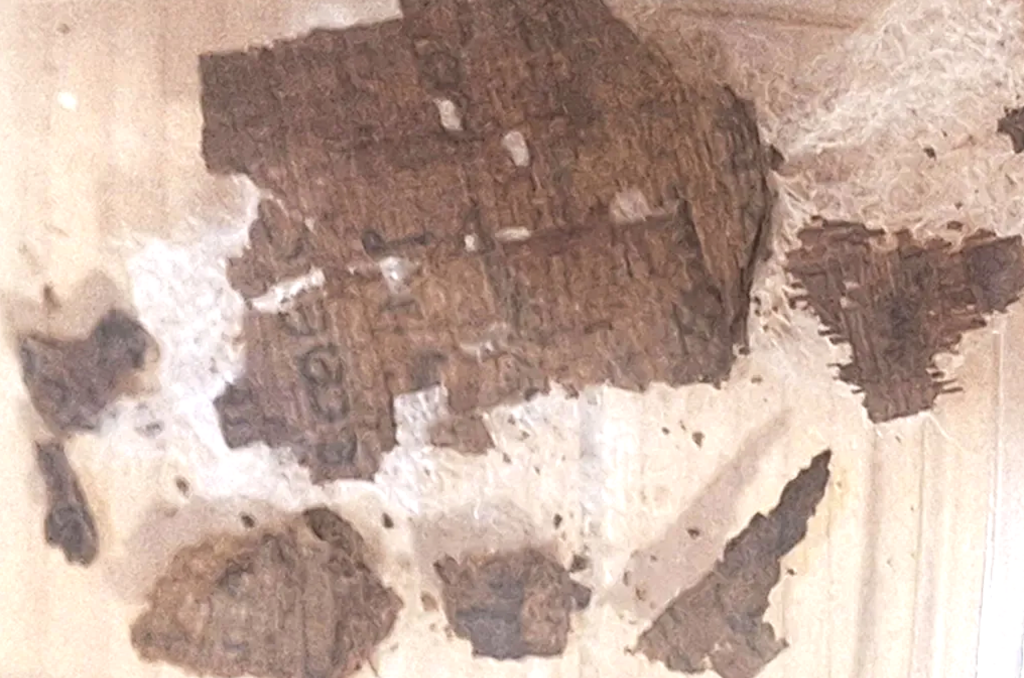
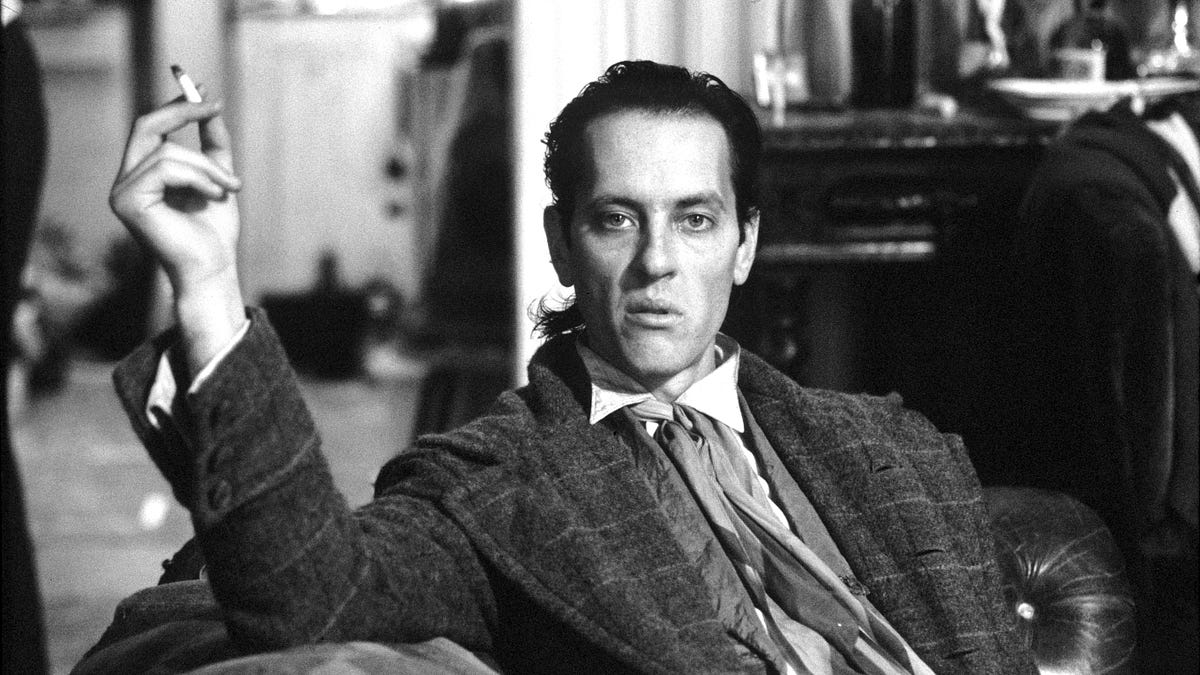
Costume designer Andrea Galer built Withnail’s iconic coat from Liberty’s Heather Brown tweed in six weeks, inspired by a 19th-century Scots Guards frock coat.
Key Takeaways
With only six weeks before filming, Galer sourced single-width Heather Brown tweed from Liberty’s instead of replicating the custom-woven Scots Guards fabric she had originally identified.
Three coats were made and deliberately aged through washing, scrubbing, and greasing to produce the worn, stratified look seen across different scenes.
The coat’s swirling movement in the “I’m going to be a star” scene was intentionally designed from the start to give Withnail his dramatic silhouette.
After filming, the coats passed through Berman’s then Angels costumiers; one original was auctioned in 2000 for a £5,000 donation, bought by Chris Evans.
Withnail’s full outfit embodies sprezzatura, Castiglione’s 1528 concept of studied nonchalance, deliberately evoking pre-war gentry decay rather than 1960s swinging London.
Hacker News Comment Review
A commenter flagged that the Scots Guards reference photos cited in the article are from 1953 and WWI-era auction sources, not the 19th-century originals the text implies.
Harris Tweed’s near-commercial extinction and its reported rescue by King Charles surfaced as a tangent the article skims past without detail.
Several readers noted the piece functions partly as promotion for Galer’s current made-to-order replicas at £2-3k, a commercial thread the article only surfaces late.
Notable Comments
@matt_eeee: Links to a specific blocking shot from the film as direct visual evidence of how the coat’s movement was used as a deliberate cinematic tool.